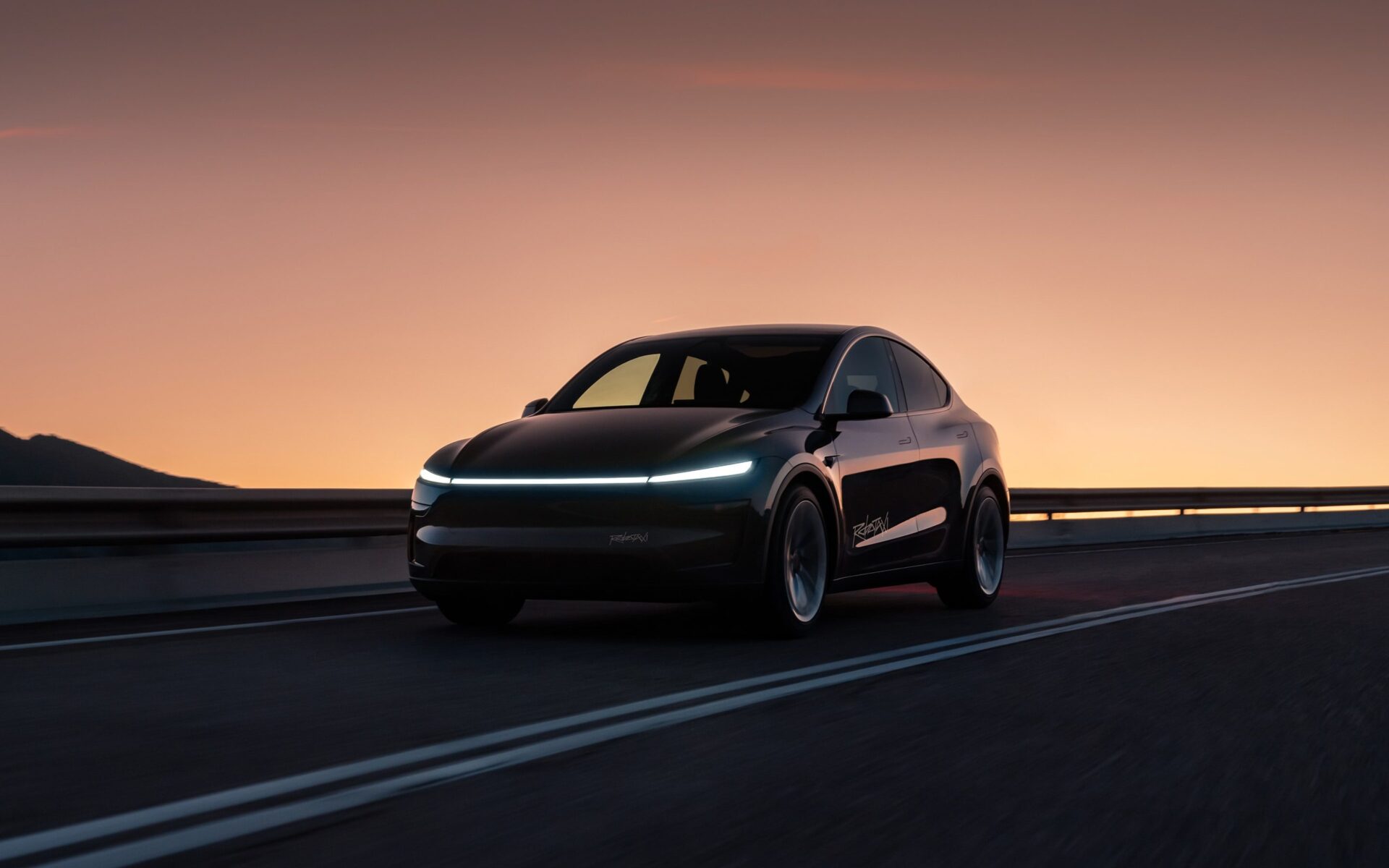
According to the latest accident data from the US National Highway Traffic Safety Administration (NHTSA), Tesla’s autonomous robotaxi fleet has not caused a single at-fault accident for four consecutive months. The record spans from February into spring and underscores the reliability of the Full Self-Driving (FSD) system.
Four months without FSD at fault
The NHTSA data shows that the robotaxi fleet had no collisions during this period that were caused by the autonomous system. The few accidents reported were caused by human drivers in other vehicles – for example, through rear-end collisions, failure to give way, or distraction. This confirms Tesla’s claim that FSD is safer than the average human driver.
Comparison of Hardware 3 and Hardware 4
Tesla uses different hardware in its robotaxis depending on the year of manufacture. Hardware 4 (HW4) offers higher computing power and improved sensors, which further increases driving accuracy. A comparison of the systems:
The robotaxi fleet in the US uses both HW3 and HW4 vehicles; nevertheless, the accident-free period was achieved across all systems.
Human error as the main cause of accidents
Analysis of NHTSA data shows that almost all collisions are attributable to human error. A typical example: a Tesla robotaxi stopped at a junction in accordance with the rules, whilst a distracted driver in another vehicle crashed into it. Tesla’s safety systems, such as the recently revealed dummy head manoeuvre, demonstrate that autonomous driving can compensate for human shortcomings.
Implications for approval in Europe
In Europe, Tesla continues to fight for the approval of FSD Supervised. Countries such as Romania and Switzerland do not recognise the Dutch approval. However, the latest US safety data could serve as an argument for the system’s safety to convince European regulators.
Conclusion
The four months without an FSD-related accident mark a milestone for Tesla’s robotaxi programme. Whilst the technology is becoming increasingly reliable, the human factor remains the greatest danger on the roads. However, continuous data and independent reviews are necessary for a comprehensive safety assessment.
Frequently Asked Questions
How many accidents has the robotaxi fleet had in total?
According to NHTSA data, there were a few accidents during the period in question, but not a single one was caused by the FSD system. All collisions were attributable to human drivers in other vehicles.
Why is the NHTSA data important?
The NH