FSD News Europa
Back to overview
#USA#Robotaxi#Zulassung#Tesla#Technische Daten#EPA

Tesla Cybercab Receives EPA Certificate: Major Regulatory Hurdle for Public Roads Cleared

Source: Teslarati • Published on 15 June 2026 at 17:19 Original Source
Tesla Cybercab Receives EPA Certificate: Major Regulatory Hurdle for Public Roads Cleared

Summary

The Tesla Cybercab has received the EPA certificate for zero emissions, a crucial step toward approval for public road use in the US.

Tesla Cybercab Receives EPA Certificate: Major Regulatory Hurdle for Public Roads Cleared

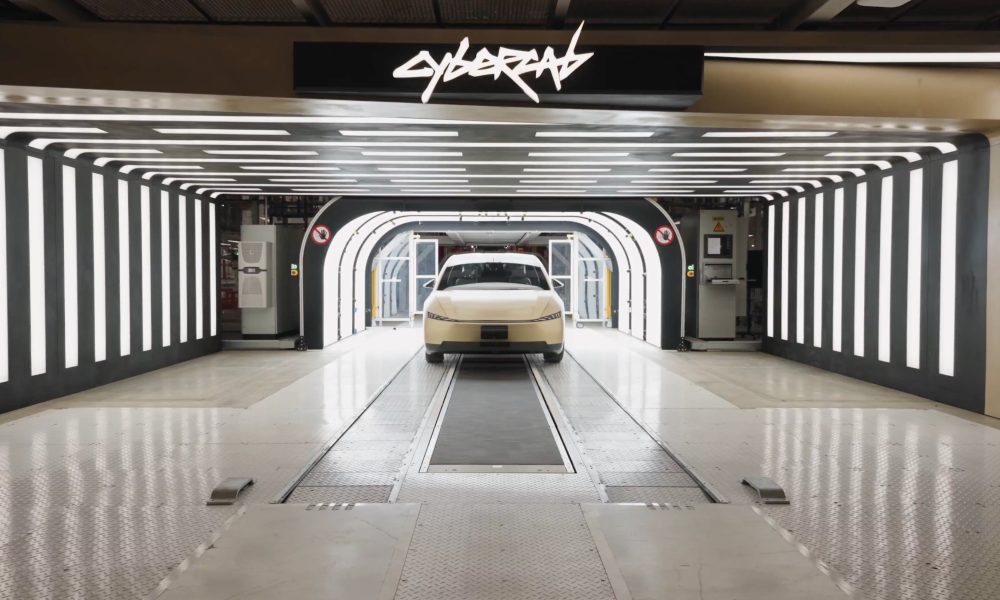
The Tesla Cybercab, a purely electric vehicle without a steering wheel or pedals designed for ride-hailing services, has reached a significant regulatory milestone. The vehicle has officially received an EPA Certificate of Conformity for the 2026 model year, classifying it as a battery electric zero-emission vehicle (ZEV). This certification is a prerequisite for sale and operation on public roads in the US.

What Does the EPA Certificate Mean?

The EPA Certificate of Conformity confirms that the Cybercab meets the strict emissions and efficiency standards of the US Environmental Protection Agency. This is a crucial step before Tesla can release the vehicle for public road use. Without this certificate, market launch in the US would not be possible.

Further details on the Cybercab's technical data can be found in our article: Tesla Cybercab: Technical Data Revealed from EPA Certificate.

Technical Specifications

The EPA certificate reveals some technical details of the Cybercab:

  • Drive: 163 kW (218 hp) electric motor

  • Battery: 48 kWh lithium-ion battery

  • Curb weight: 1,412 kg

  • Vehicle class: ZEV (Zero Emission Vehicle)
[IMPORTANT] > The Cybercab is optimized for ride-hailing and has neither a steering wheel nor pedals. It relies on Tesla's Full Self-Driving (FSD) technology for fully autonomous driving.

Comparison: HW3 vs HW4

A table comparing the hardware generations shows the progress:

FeatureHardware 3Hardware 4
Computing power~144 TOPS~300 TOPS
Camera resolution1.2 MP5 MP
RadarNoNo
Availabilityolder modelsnew models from 2023

The Cybercab is expected to use the latest Hardware 4 for optimal performance.

Outlook: Market Launch and Regulatory Hurdles

The EPA certificate is an important step, but further approvals are required, especially from the NHTSA for vehicles without a steering wheel and pedals. Tesla plans to bring the Cybercab to US roads starting in 2026.

Also read about Robotaxi safety: Tesla Robotaxi Fleet Drives Four Months Without Self-Inflicted FSD Accident.

Comparison: US vs Europe

While the Cybercab is making progress in the US, there are still many regulatory hurdles in Europe:

AspectUSEurope
Steering wheel/pedalsNot requiredUNECE standards often require driver intervention
ApprovalEPA + NHTSANational approvals + UNECE
FSD usageSupervised (Level 2+) currently activeSupervised only in a few countries (e.g., Netherlands)

More information on European challenges can be found in: Slovenia Awaits EU Decision on Tesla FSD Supervised.

Conclusion

The EPA certificate for the Tesla Cybercab is a major step toward autonomous ride-hailing services. Tesla has a clear lead in the US.

Related Articles

14/06/2026

Slovenia Awaits EU Decision on Tesla FSD Supervised: Dutch Approval Not Automatically Recognized

Slovenia's traffic safety agency (AVP) clarified that the Dutch RDW approval for Tesla's FSD Supervised does not automatically apply in Slovenia, pending EU-wide harmonization.

15/06/2026

Tesla’s robotaxi fleet has gone four months without a single FSD accident caused by the vehicles themselves – it is people who are crashing into them

According to NHTSA data, Tesla’s autonomous robotaxi fleet has gone four months without a single accident caused by FSD. Most collisions are caused by human error.

15/06/2026

Tesla Cybercab: Technical Data Revealed from EPA Certificate – 1,412 kg, 163 kW, 48-kWh Battery

New EPA documents reveal key data of the Tesla Cybercab: 1,412 kg curb weight, 163 kW motor power, and a 48-kWh battery.

16/06/2026

Why Robotaxis Will Struggle to Gain Acceptance

Robotaxis could displace taxis and ride-hailing services like Uber, but they face difficulties in the private car market. Technical, regulatory, and economic hurdles are slowing the revolution.

16/06/2026

Tesla Cybercab: EPA Documents Reveal 418 Miles Range with Small Battery

New EPA documents show that the Tesla Cybercab achieves an impressive 418 miles range despite a tiny battery, offering insights into the robotaxi's efficiency.