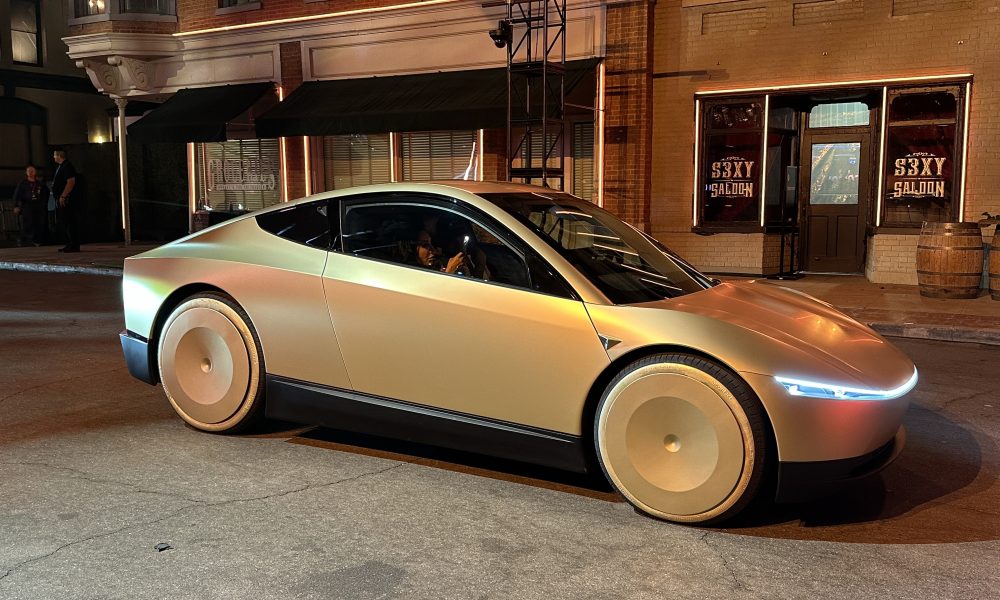
Tesla's Cybercab has taken a significant step towards production. From the EPA certification documents submitted in 2026, detailed technical specifications of the autonomous robotaxi emerge for the first time. The documents, which include a compliance certificate from late May, offer the most comprehensive public insight to date.
Technical Specifications Overview
Weight and Efficiency
With a curb weight of only 1,412 kg, the Cybercab is significantly lighter than a Tesla Model 3 (approx. 1,800 kg). This is due to the omission of a conventional steering wheel and pedals, saving space and weight. The 48-kWh battery is designed for typical short-distance use of a robotaxi in urban areas.Motor Power
The 163 kW (approx. 220 hp) is sufficient for smooth city traffic and highway driving. Since the vehicle is fully autonomous, efficiency and safety are prioritized over top speed.Market Significance
The EPA certificate is an important milestone for the US launch of the Cybercab. It confirms that the vehicle meets US emission and safety standards. Elon Musk has repeatedly emphasized that the Cybercab is intended to revolutionize the economics of robotaxis – low energy consumption and low production costs could make this possible.[NOTE] > The EPA documents do not include range information. Experts estimate a range of about 250–300 km based on the battery size and low weight.
Related Articles
- Tesla Cybercab: Technical Data Revealed – 1,412 kg, 163 kW, 48-kWh Battery
- Tesla Robotaxi Fleet Drives Four Months Without Self-Caused FSD Accident – Humans Ram the Vehicles
- Tesla Cybercab Receives EPA Certificate: Milestone for US Market Launch of the Robotaxi
Frequently Asked Questions
When will the Tesla Cybercab come to market?
Tesla plans production of the Cybercab for 2027. The EPA certificate is an important step, but further approvals in the US and Europe are still needed.