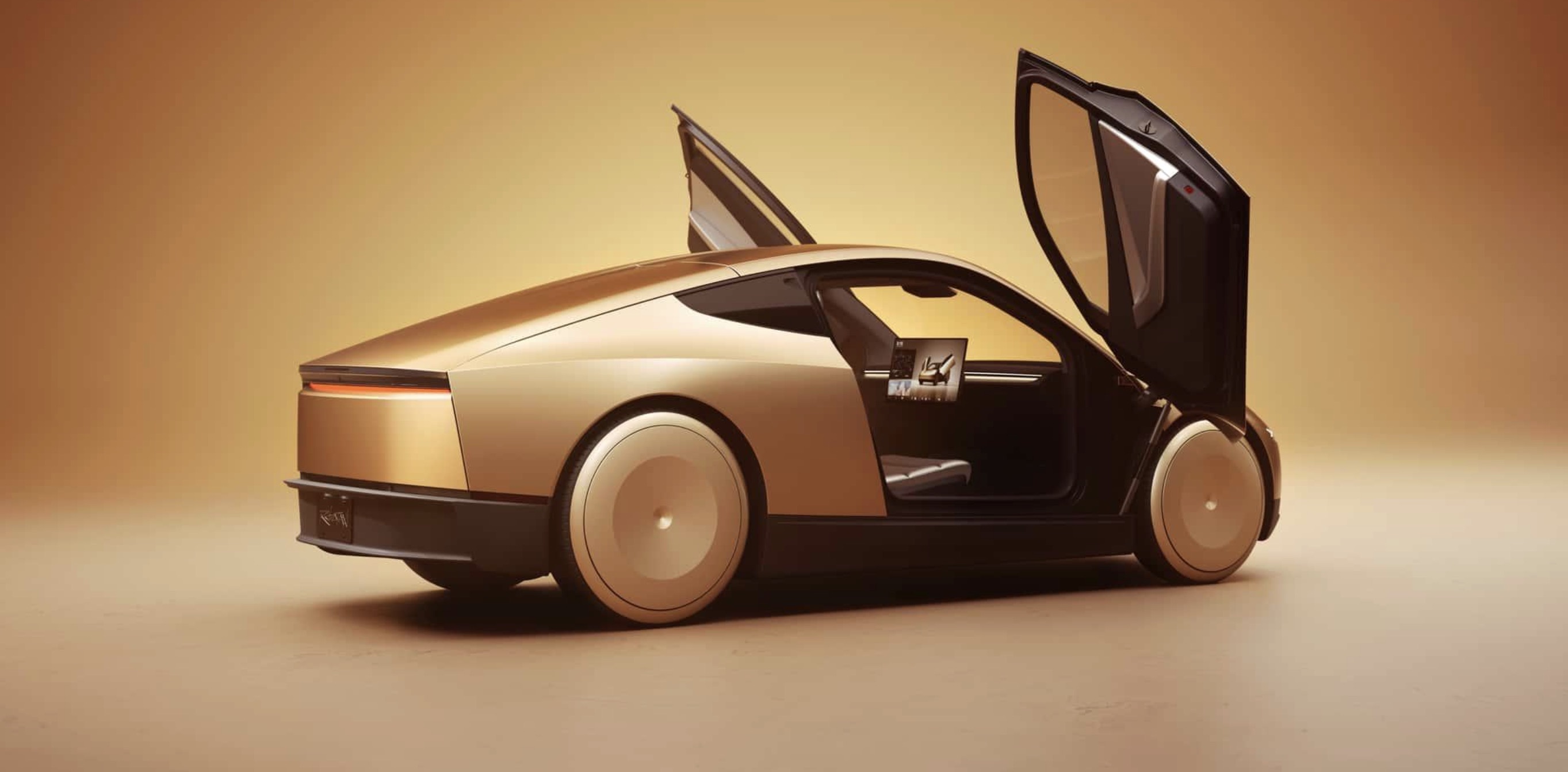
Tesla has achieved another important regulatory milestone: The Cybercab received an EPA Certificate of Conformity (CoC). This development removes a major federal hurdle for the legal market introduction of the vehicle in the USA.
The Environmental Protection Agency (EPA) is an independent agency of the US federal government, established in 1970 by President Richard Nixon. Its main task is to protect human health and the environment by enforcing regulations based on congressional laws. In the context of vehicles, the EPA sets and enforces standards for emissions, air quality, and fuel efficiency to reduce pollution from transportation.
What does the EPA certificate mean?
An EPA Certificate of Conformity (CoC) is a formal certification issued by the EPA after reviewing the manufacturer's test data and documentation. It confirms that a specific vehicle model or engine family meets all applicable federal emission standards under the Clean Air Act. Without this certificate, a new vehicle cannot be legally sold, imported, or introduced into commerce in the USA.
This is separate from the safety certificates managed by the National Highway Traffic Safety Administration (NHTSA), but equally important for market launch.
Impact on Cybercab Launch
The certificate allows Tesla to legally introduce the Cybercab into US commerce. This means the vehicle can be sold, leased, registered with state DMVs, and operated on public roads for commercial purposes, such as Tesla's planned robotaxi service.
It applies nationwide in all 50 states and US territories. While states may impose additional requirements (e.g., permits for testing autonomous vehicles), the federal EPA approval is a fundamental step that removes a major barrier to deployment. This is particularly significant for purpose-built autonomous vehicles like the Cybercab, which lack traditional controls and are designed for high-volume, unsupervised operation.
Comparison: USA vs. Europe
What does this mean for the future?
This step underscores Tesla's commitment to bringing the Cybercab to market and launching the robotaxi service. The company plans to produce the vehicle without a steering wheel and pedals for fully autonomous operation.