Introduction
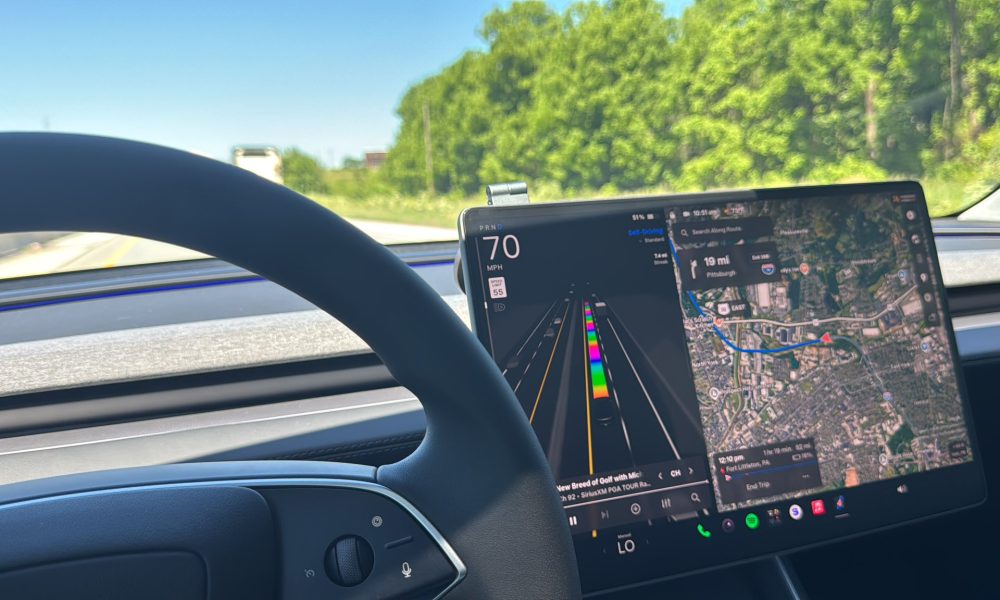
For over two decades, drivers have relied on reliable navigation systems like Garmin, TomTom, and later Google Maps or Waze. These services have guided millions safely through unfamiliar cities, highways, and country roads. Yet Tesla, aiming to redefine the future of autonomous driving with its Full Self-Driving (FSD) system, grapples with a fundamental task: correct route guidance.
The Navigation Conundrum
Tesla FSD uses its own mapping technology based on visual data from vehicle cameras. Unlike Google Maps, which relies on extensive manually curated maps and real-time traffic data, Tesla trusts neural networks to interpret road signs, lane markings, and intersections. This leads to issues: routes are miscalculated, turn instructions come too late, or the system selects suboptimal paths. One user reported that FSD tried to guide him into a dead end via a highway exit—a mistake a conventional nav would never make.
Comparison: HW3 vs. HW4 and USA vs. Europe
The table shows Europe is more affected due to narrower roads, more complex roundabouts, and different traffic signs. While the US benefits from wider roads and more uniform rules, the system struggles in Europe with historic old towns and confusing intersections.
Challenges from the Environment
Another issue is reliance on live traffic data. While Google Maps integrates real-time traffic jams, construction sites, and accidents, Tesla often uses outdated or incomplete data. A driver in Berlin reported that FSD directed him straight into a construction site despite a full closure. Detours are also not always correctly recognized.
Impact on European Rollout
The navigation issues are one reason for the delayed introduction of FSD in Europe. While the US is already testing FSD Supervised, Europe lags behind. Compliance with [UNECE regulations] is not the only hurdle; the reliability of route guidance must also be assured. A faulty navigation system would be fatal in densely populated European cities.