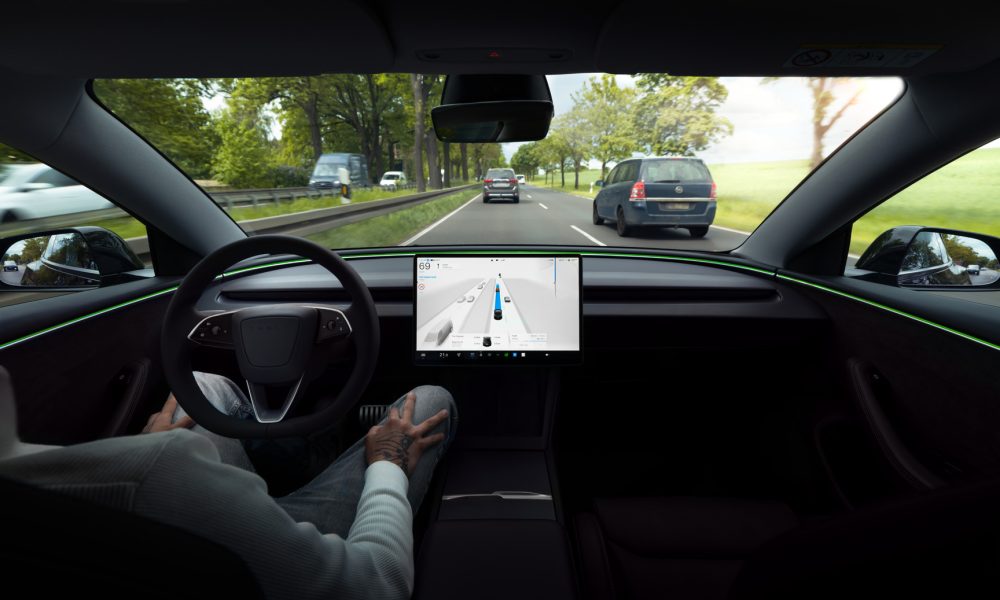
In a remarkable demonstration of how modern vehicle technology can merge with family care and quick response, a Tesla Model Y equipped with Full Self-Driving (FSD) Supervised saved a driver's life when he suffered a severe heart attack while driving. The incident occurred on November 15, 2025, and highlights the potential of FSD and app connectivity in emergency situations.
The Incident in Detail
The driver, a father, suddenly lost consciousness while driving on a main road. His son, who was not in the vehicle, noticed the unusual situation via the Tesla app, which displays the vehicle's location in real time. The son immediately activated the remote control of the vehicle, brought it safely to a stop, and alerted emergency services. Thanks to the swift intervention, the father was taken to the hospital in time and survived the heart attack.
Technical Basics
The rescue was made possible by the combination of FSD hardware and the Tesla app. The app allows remote control of the vehicle, including acceleration, braking, and steering. Originally designed as a convenience feature, this function proved to be life-saving here. The following table shows the differences between the hardware generations relevant for app remote control:
App remote control uses existing sensors and cameras to provide real-time transmission of the vehicle's surroundings. This allowed the son to bring the vehicle safely to a stop without endangering other road users.
Parallels to Other FSD Rescue Stories
This incident is not the first where Tesla vehicle technology saved lives. There have been previous reports of FSD helping to avoid accidents. A similar case Tesla FSD Saves Life: Son Steers Car via App After Father's Heart Attack shows how app remote control can be used in emergencies. Also in Europe, there are efforts to approve FSD: Dutch Authority RDW Confirms Safety of Tesla FSD Before European Approval.
Safety Aspects and Controversies
The remote control function is not without controversy. Critics point to potential misuse risks, as the function could theoretically be used by unauthorized individuals. However, Tesla has implemented safety mechanisms such as two-factor authentication and speed limits. Nevertheless, the discussion about FSD safety remains current, especially after reports of misleading safety data from Tesla to EU authorities.