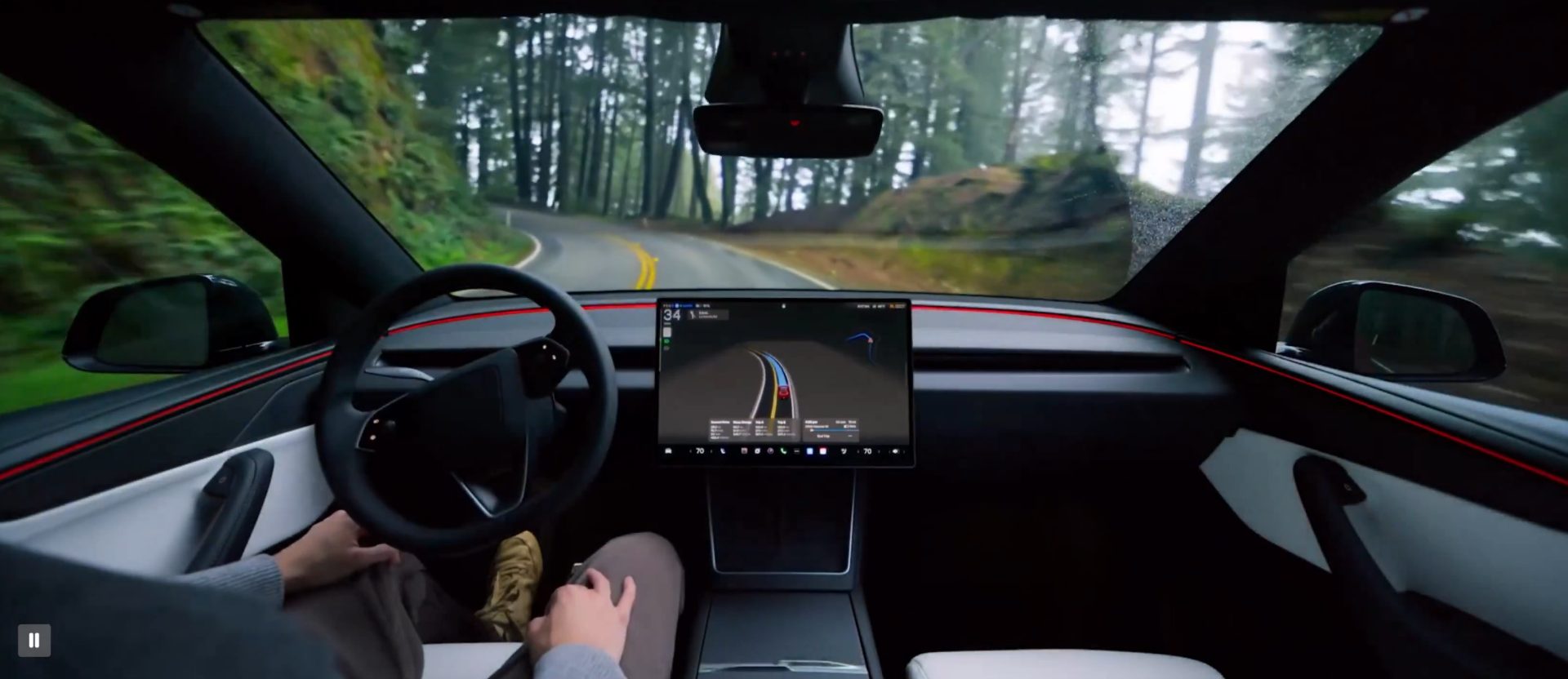
The Dutch Vehicle Authority RDW has granted Tesla European type approval for the Full Self-Driving (FSD) Supervised system. This step follows an intensive 18-month evaluation process and marks a significant milestone for the expansion of Tesla's driver assistance technology outside the US.
The RDW Inspection Process
The RDW, known for its strict safety standards, conducted extensive tests to assess the reliability of FSD Supervised. This included not only the system's technical capabilities but also its behavior in complex traffic situations. The authority requested detailed data on safety metrics such as intervention rates and accident avoidance.
Comparison: USA vs. Europe
Approval in Europe differs fundamentally from that in the US. While US authorities often rely on manufacturer self-certification, the EU requires extensive evidence from independent testing bodies.
Technical Requirements
The RDW insisted on specific adaptations for the European market, including:
- Improved driver monitoring: The interior camera must detect fatigue or distraction.
- Regulatory-compliant steering wheel sensors: Confirmation of driver presence.
- Adaptation to local traffic rules: Recognition of roundabouts, cyclists, and narrow streets.
- Emergency maneuvers: Automatic emergency braking and evasive assist.
Significance for the Future
The RDW approval opens the door for Tesla to gradually introduce FSD across Europe. However, due to a lack of Level 4 approvals in many countries, the technology remains at Level 2+ for now. Tesla has already submitted an application in Taiwan and is preparing for further markets.
Reactions and Outlook
The RDW decision is welcomed by experts as reflecting a transparent and thorough inspection process. However, there is also criticism: Some safety organizations call for stricter rules for autonomous systems. Tesla has already faced allegations of misleading safety data. The EU is currently working on a unified framework for autonomous driving to simplify approval.