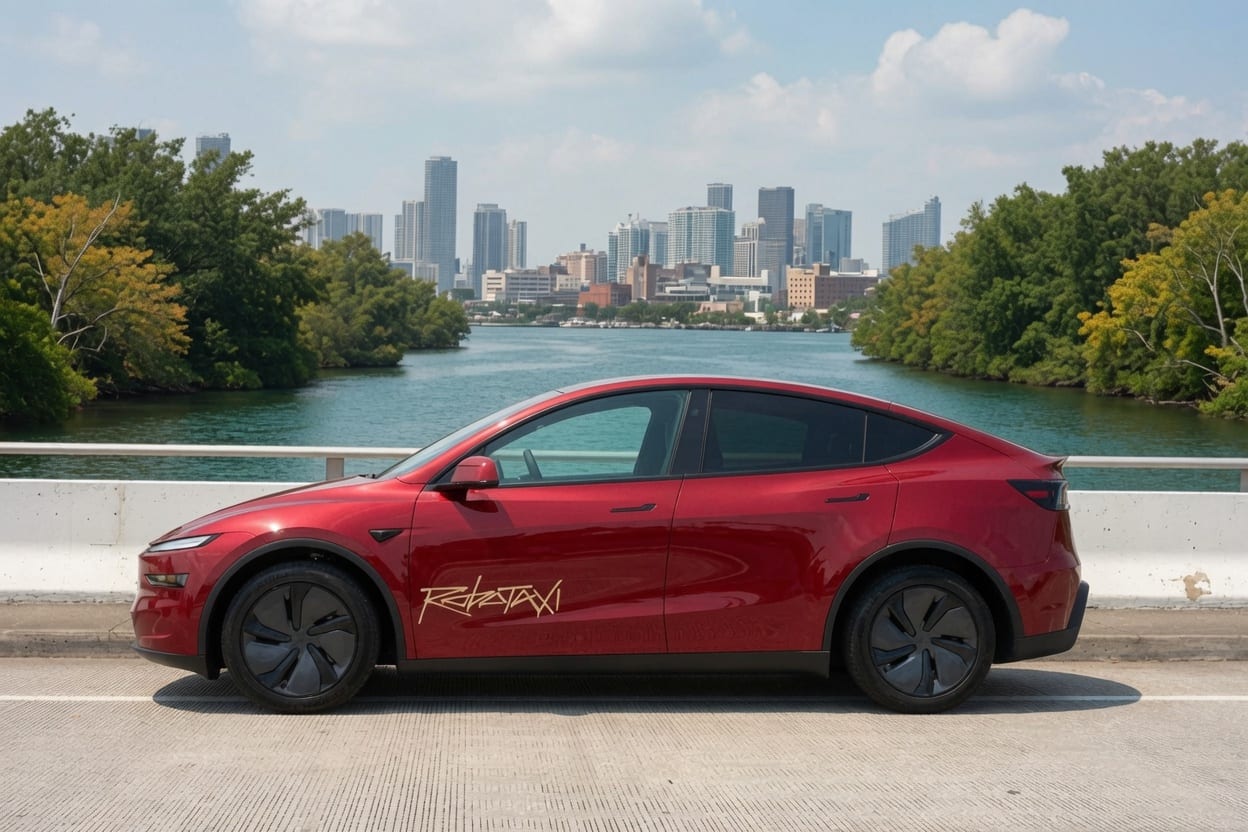
Tesla mobilizes fans against New Jersey bill aimed at blocking robotaxis
Tesla has launched a public campaign urging its supporters to reject a new bill in New Jersey. The Texas-based electric vehicle company claims that the proposed regulations aim to establish the state's first autonomous vehicle pilot program — but in a way that would specifically exclude Tesla from the local market.
Controversy over regulatory hurdles
The New Jersey legislation is at the center of an intense dispute between Tesla and local regulators. The bill proposes strict requirements for conducting autonomous vehicle testing and commercial operation of robotaxis. Tesla argues that these requirements are disproportionately high and specifically targeted against the company.
The company has mobilized its followers to speak out against the bill. This is not the first time Tesla has fought regulatory resistance at the local or state level. The company's strategy involves building public pressure and influencing legislative processes through mass mobilization.
Impact on robotaxi expansion
For Tesla, such regulatory hurdles are critical. The company has ambitious plans for expanding its robotaxi service, particularly in the United States. A blockade in New Jersey could set a precedent and encourage other states to adopt similar restrictive measures.
The autonomous vehicle industry as a whole is under increasing scrutiny. While competitors like Waymo and Cruise already operate standalone robotaxi services, Tesla is trying to accelerate its strategy. An ongoing state-level blockade could significantly delay Tesla's timelines.
Regulatory context
Political and economic dimensions
The New Jersey controversy is embedded in a larger national debate over the regulation of autonomous vehicles. Different states have adopted varying approaches — some actively promote pilot programs, while others are more cautious and impose comprehensive safety requirements.
Tesla's public campaign shows how important the company considers this market opportunity. With Tesla robotaxi fleets already gaining first operational experience, any regulatory delay is a potential obstacle to scaling plans.
At the same time, strict safety regulations can also be beneficial — they build public trust and provide safeguards that ultimately benefit the industry.